Introduction
In the ever-evolving landscape of automotive technology, the shift towards sustainable and energy-efficient transportation has propelled electric cars into the spotlight. As consumers increasingly embrace the idea of reducing their carbon footprint, questions surrounding the performance metrics of electric vehicles become paramount. One such metric that often sparks debates and discussions is mileage, or more precisely, the range that an electric car can cover on a single charge.
Unlike traditional internal combustion engine vehicles, electric cars rely on batteries to power electric motors. The mileage, or range, of an electric car refers to the distance it can travel on a full battery charge. Understanding the significance of mileage in the context of electric cars is crucial for potential buyers, as it directly influences the vehicle’s practicality, convenience, and overall appeal. However, the relevance of mileage in electric cars is multifaceted, encompassing technological advancements, infrastructure development, and individual driving habits. This introduction sets the stage for an exploration into the nuanced factors that determine the importance of mileage in the realm of electric vehicles.

Does high mileage matter on an electric vehicle?
Much like traditional-powered cars, electric cars made today are generally considered good for about 200,000 miles, but the longevity of an electric car’s battery system depends on more than just miles. In addition to mileage, you should look for overall battery degradation when shopping for a used electric car.
High mileage on an electric vehicle represents a distinctive consideration in comparison to traditional internal combustion engine counterparts. Unlike conventional cars where high mileage often implies wear and tear on mechanical components, the impact of mileage on electric vehicles (EVs) is fundamentally different. EVs boast fewer moving parts, reducing the wear associated with traditional engines. Consequently, the wear and tear on electric motors and batteries are typically lower, challenging the traditional notion that high mileage is a cause for concern.
However, the practicality of high mileage on an electric vehicle is influenced by battery degradation. Over time, repeated charging and discharging cycles can gradually reduce a battery’s capacity. This degradation can affect the range of the vehicle, requiring more frequent charging. Technological advancements and improved battery technologies are mitigating these concerns, making modern electric vehicles more resilient to high mileage.
In essence, while high mileage on an electric vehicle may not pose the same risks as it does for traditional cars, the longevity and performance of the battery remain crucial considerations. Advances in battery technology continue to reshape the landscape, gradually diminishing concerns associated with high mileage on electric vehicles.
Do electric cars have better mileage?
These savings are largely based on the fact that current EVs are 2.6 to 4.8 times more efficient at traveling a mile compared to a gasoline internal combustion engine, according to real world data collected by the U.S. Department of Energy.
Electric cars often exhibit superior mileage compared to their traditional internal combustion engine counterparts. The mileage of an electric car is primarily determined by its range, representing the distance it can cover on a single battery charge. Unlike conventional vehicles that rely on fossil fuels and are subject to the limitations of combustion engines, electric cars leverage energy stored in batteries to power electric motors.
Electric vehicles (EVs) typically offer impressive mileage due to their efficiency in converting stored electrical energy into motion. The absence of energy loss through combustion processes and the simplicity of electric motors contribute to their high efficiency. As a result, many modern electric cars boast ranges that rival or even surpass those of some gasoline-powered vehicles.
Advancements in battery technology and increased investment in charging infrastructure further enhance the mileage capabilities of electric cars. The continual evolution of electric vehicle technology is progressively closing the gap between electric and traditional vehicles, making electric cars a compelling choice for those seeking enhanced mileage and reduced environmental impact.
Do electric cars lose mileage over time?
Battery degradation doesn’t happen all at once. On average, electric car batteries lose only about one to two percent of their range per year depending on the factors discussed earlier.
Electric cars can experience a reduction in mileage over time due to a phenomenon known as battery degradation. The battery is a critical component of an electric vehicle (EV), and its capacity to store and deliver energy gradually diminishes with use. Factors such as temperature, charging habits, and the number of charging cycles can contribute to this degradation.
As an electric car’s battery undergoes numerous charge and discharge cycles, it can experience a decline in its overall capacity. This reduction in capacity directly affects the vehicle’s range or mileage, as the battery becomes less capable of holding as much charge as it did when new. However, it’s important to note that advancements in battery technology are continually addressing this concern.
Manufacturers are implementing improved battery chemistries, thermal management systems, and smart charging algorithms to mitigate the impact of degradation. Additionally, warranties provided by electric car manufacturers often cover a certain period or mileage, offering reassurance to consumers concerned about potential declines in battery performance over time. While some degradation is inevitable, ongoing research and development aim to extend the longevity and reliability of electric car batteries.
What is the mileage lifespan of an electric car?
Most manufacturers say drivers should get over ten years or 100,000 miles of use from an EV. But, many drivers are happy to report they get much more than this. The performance of an EV is not affected over its lifetime, even with some battery degeneration. There may be a slight decrease in range.
The mileage lifespan of an electric car is primarily determined by the longevity and durability of its battery. On average, electric car batteries are designed to last for about 8 to 15 years, depending on various factors. One crucial element influencing the lifespan is the number of charge and discharge cycles the battery undergoes. Generally, electric vehicle manufacturers provide warranties that cover a certain number of years or a specified mileage to assure buyers of the battery’s expected performance.
The rate of battery degradation is influenced by factors such as temperature, driving conditions, and charging habits. Exposure to extreme temperatures, frequent fast charging, and consistently depleting the battery to very low levels can accelerate degradation. However, advancements in battery technology, improved manufacturing processes, and better thermal management systems are continuously extending the lifespan of electric car batteries.
Do electric cars lose charge when parked?
Whilst lithium ion batteries do lose charge when the car is parked for an extended period, the good news is that this is usually a very minimal amount of the overall charge. Most electric cars can expect to lose only lose a few percent of their charge a month if sitting idle.
Electric cars do experience some level of battery discharge when parked, a phenomenon often referred to as “vampire drain” or “phantom drain.” While parked and not actively in use, electric cars still consume a small amount of energy to power various systems, including the battery management system, security features, and remote connectivity functions.
Several factors contribute to the rate of discharge, including temperature, battery chemistry, and the car’s design. In cold weather, the need for temperature regulation and battery conditioning can lead to increased energy consumption. Similarly, features like always-on connectivity for software updates and remote monitoring can contribute to a gradual discharge over time.
Can I sit in my electric car while it is charging?
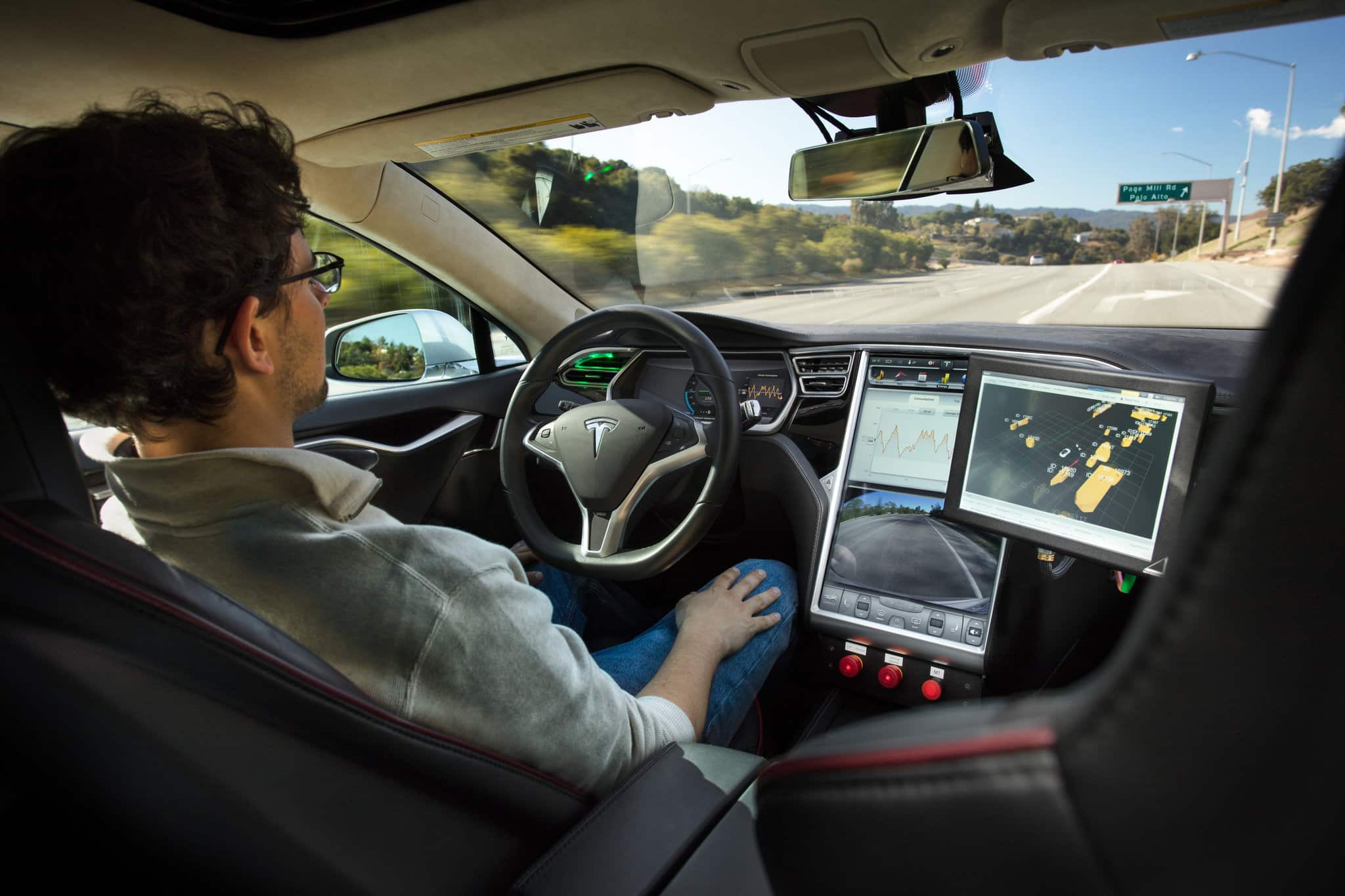
Yes, it’s fine to sit inside an electric car while charging, as engineers have spent years making sure they’re fully insulated.
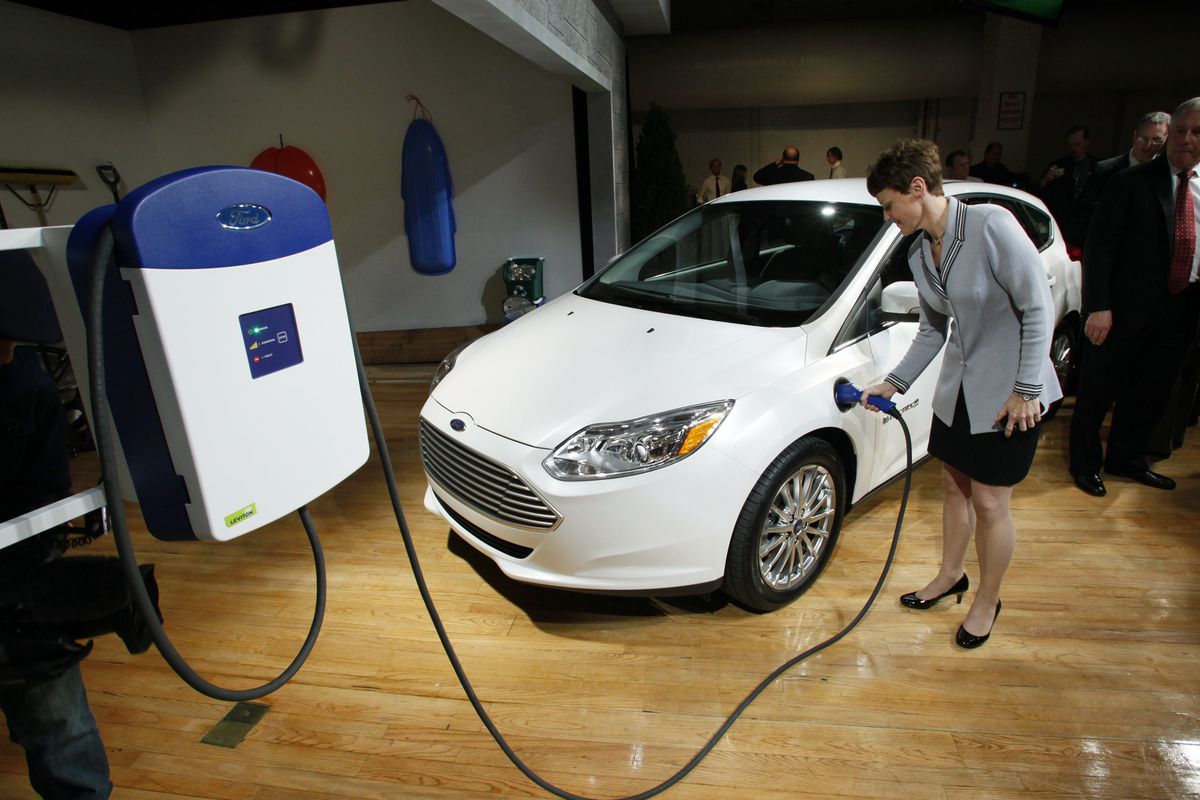
Yes, it is generally safe to sit in your electric car while it is charging. Electric vehicles (EVs) are designed with safety features to ensure that occupants can remain inside the vehicle during the charging process. However, there are a few important considerations to keep in mind:
Ventilation: If you are charging in an enclosed space, ensure proper ventilation. Electric vehicles may use fans or other cooling mechanisms during charging, and it’s essential to have adequate airflow.
Follow Manufacturer Guidelines: Always follow the specific guidelines provided by the manufacturer in the owner’s manual. Some manufacturers may have recommendations or restrictions regarding occupancy during charging.
Check Charging Cable: Make sure the charging cable and connectors are in good condition and properly connected before sitting in the car. Avoid putting unnecessary strain on the cable.
Be Mindful of Charging Speed: High-power charging can generate heat, so be aware of the charging speed. Rapid charging may result in more heat being generated, and some manufacturers advise against prolonged high-speed charging.
While sitting in your electric car during charging is generally safe, it’s crucial to adhere to the manufacturer’s recommendations and exercise common sense to ensure a safe and comfortable charging experience.
What is the biggest drawback of an electric car?
Limited range
Limited range: One of the biggest drawbacks of electric cars is their limited range. Although the range of electric cars has been increasing over time, most electric cars still have a range of around 100-200 miles.
One of the most commonly cited drawbacks of electric cars is their limited range compared to traditional gasoline-powered vehicles. While the range of electric cars has significantly improved over the years, range anxiety remains a concern for some potential buyers. The need for frequent recharging and the limited availability of charging infrastructure, especially in certain regions, can make long-distance travel more challenging and time-consuming.
Additionally, the charging time for electric vehicles, especially with standard home chargers, is typically longer than refueling a traditional car with gasoline. Although fast-charging stations are becoming more widespread, the charging infrastructure is not yet as ubiquitous as gas stations, impacting the convenience and flexibility of electric cars.
What is the dark side of electric cars?
However, there is a dark side to electric cars that is often overlooked. The mining of lithium, cobalt, and other rare earth metals used in electric car batteries is a dirty and dangerous process. These metals are often mined in countries with poor human rights records and environmental standards.
The dark side of electric cars encompasses environmental and ethical concerns associated with their production and disposal. The manufacturing process of electric vehicles (EVs) involves extracting rare earth metals and minerals, including lithium, cobalt, and nickel, often leading to environmental degradation and human rights issues in mining regions. Additionally, the energy-intensive production of batteries and the carbon footprint associated with their creation raise questions about the overall environmental impact of EVs.
The disposal of electric car batteries poses another challenge. While efforts are being made to improve recycling methods, the current infrastructure for recycling and reusing these batteries is not yet fully developed. Improper disposal can result in environmental contamination and health hazards.

Conclusion
The significance of mileage on an electric car is a multifaceted consideration that extends beyond the traditional concerns associated with internal combustion engine vehicles. Mileage, often synonymous with range, plays a pivotal role in determining the practicality and appeal of electric cars for consumers. While electric vehicles have made substantial strides in offering competitive mileage, technological advancements continue to shape the landscape, addressing concerns related to battery degradation and charging infrastructure.
The understanding of mileage on electric cars must evolve with the broader context of sustainable transportation. As battery technologies improve, so does the resilience of electric cars to high mileage, challenging conventional notions of wear and tear. The balance between environmental consciousness, charging convenience, and individual driving habits becomes integral in assessing the true value of mileage on electric vehicles.
In the quest for a greener automotive future, the trajectory of electric car development promises increased efficiency, longer ranges, and decreased environmental impact. Mileage on an electric car, therefore, emerges not just as a numerical indicator but as a dynamic reflection of the ongoing revolution in transportation towards a more sustainable and energy-efficient paradigm.