Introduction
Solar Glass Windows Car: Solar glass windows for cars represent a cutting-edge innovation in automotive technology, harnessing the power of the sun to enhance energy efficiency and sustainability while on the road. Unlike traditional windows, solar glass windows are equipped with photovoltaic cells that convert sunlight into electricity, providing a renewable source of energy to power various vehicle systems. In this introduction, we will explore the technology behind solar glass windows for cars, their benefits, and their potential to revolutionize the automotive industry.
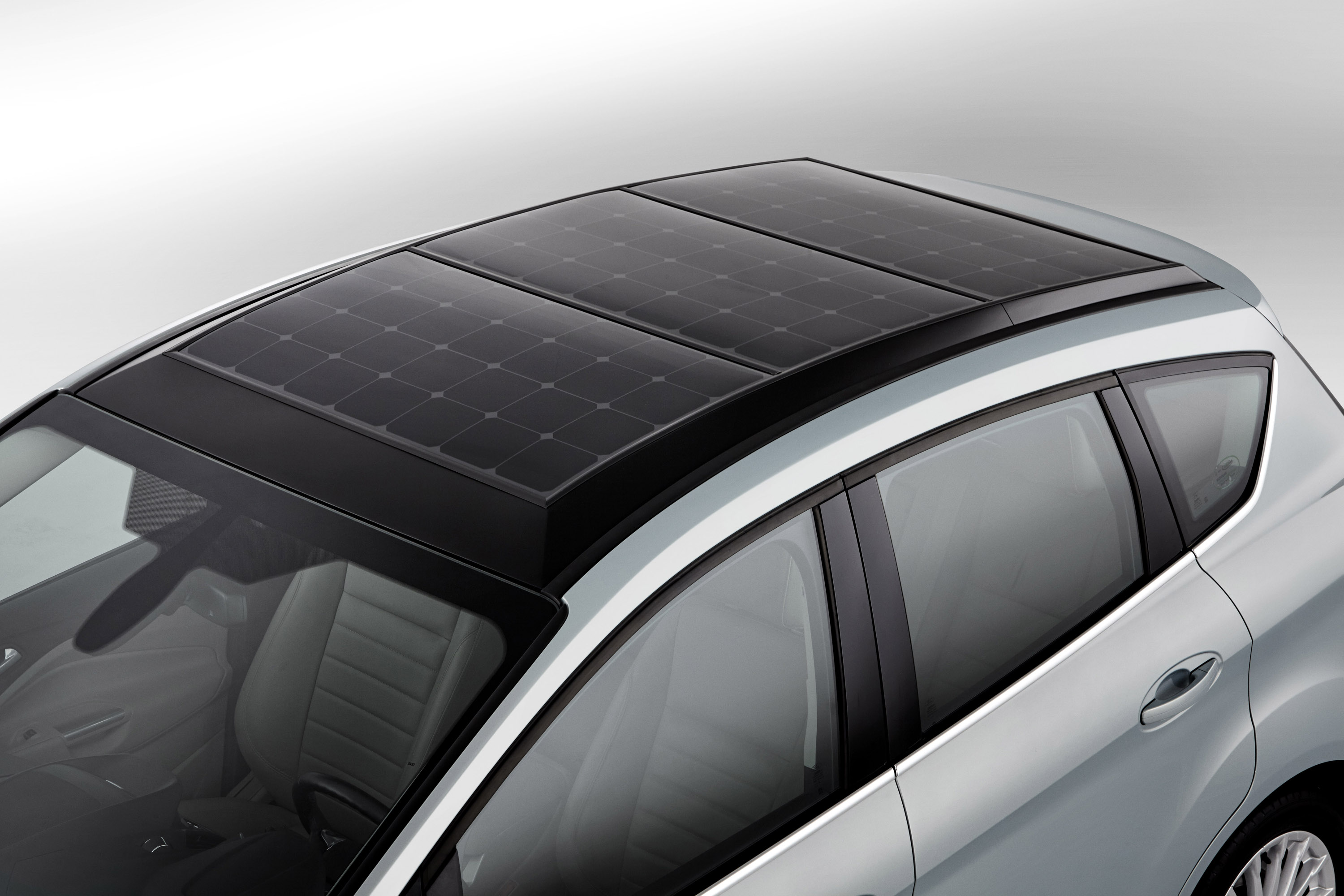
Solar glass windows utilize thin-film photovoltaic technology embedded within the glass panels to capture sunlight and convert it into electricity. This innovative design allows vehicles to generate clean, renewable energy while driving or parked, reducing reliance on fossil fuels and decreasing carbon emissions. By integrating solar glass windows into cars, manufacturers can enhance energy efficiency, extend driving range, and reduce environmental impact, contributing to a greener and more sustainable transportation ecosystem.
Furthermore, solar glass windows offer numerous practical benefits beyond energy generation. They can help regulate the interior temperature of the vehicle by reducing heat buildup from sunlight, resulting in improved comfort for occupants and reduced reliance on air conditioning. Additionally, solar glass windows provide added privacy and security by blocking UV rays and reducing visibility into the vehicle cabin. With their ability to combine functionality, sustainability, and aesthetics, solar glass windows have the potential to redefine the concept of modern automotive design and propel the industry towards a more sustainable future.

What is solar glass on a car?
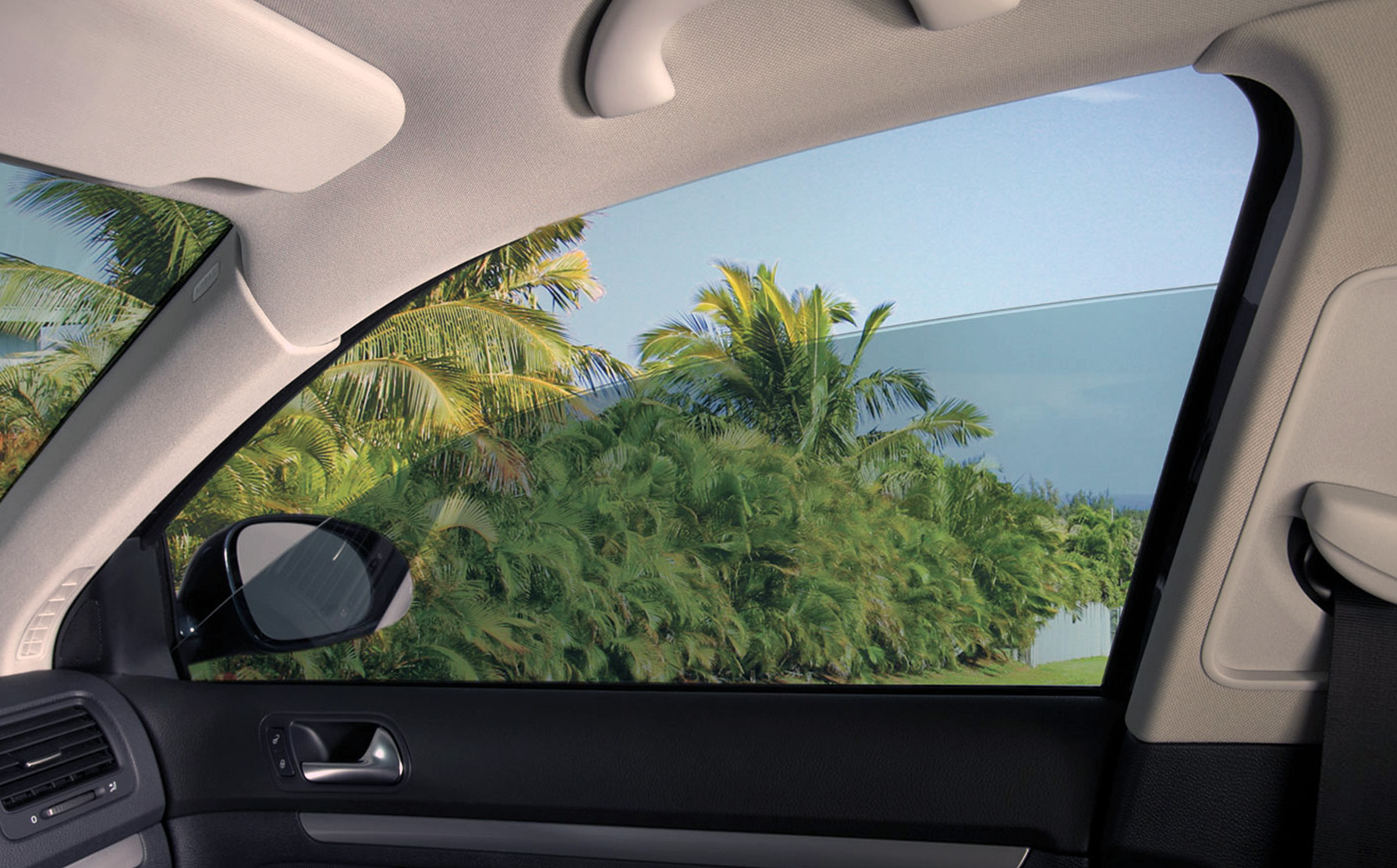
IR windshield glass, also referred to as “solar glass”, is a special type of glass that filters out infrared light to reduce temperatures inside the vehicle. IR windshields have a coating applied to them that provides the IR functionality. For this reason, they are also sometimes called solar coated windshields.
Solar glass on a car refers to specially designed windows that incorporate photovoltaic cells to harness sunlight and convert it into electricity. These windows utilize thin-film photovoltaic technology embedded within the glass panels, allowing the vehicle to generate clean, renewable energy while in motion or stationary. The solar glass panels are typically integrated into the roof, windows, or other surfaces of the car to maximize exposure to sunlight. The generated electricity can be used to power various vehicle systems, such as air conditioning, lighting, or onboard electronics, reducing reliance on the vehicle’s traditional power sources and decreasing fuel consumption.
Is solar glass any good?
As they reduce the amount of heat in a space, solar glazing is an ideal glass solution for any space that will have a lot of sunlight.
Solar glass on cars offers several benefits, making it a valuable addition to modern vehicles. One of the primary advantages is its ability to generate clean, renewable energy from sunlight, contributing to improved energy efficiency and reduced environmental impact. By harnessing solar power, vehicles equipped with solar glass can extend their driving range, decrease reliance on fossil fuels, and lower carbon emissions. Additionally, solar glass helps regulate the interior temperature of the vehicle by reducing heat buildup from sunlight, resulting in improved comfort for occupants and reduced energy consumption from air conditioning systems. Moreover, solar glass provides added privacy and security by blocking UV rays and reducing visibility into the vehicle cabin.
What are the disadvantages of solar control glass?
One of the main drawbacks of solar control glass is the cost. It’s typically more expensive than traditional glass, which can make it a more significant investment for homeowners.
While solar control glass offers numerous benefits, it also has some disadvantages that should be considered. One drawback is the initial cost of installation, which can be higher compared to traditional glass windows. Additionally, solar control glass may require specialized installation techniques and equipment, adding to the overall expense. Another potential disadvantage is the efficiency of solar control glass in certain conditions, such as low light or overcast weather, which may limit its effectiveness in generating electricity. Furthermore, solar control glass may add weight to the vehicle, affecting fuel efficiency and performance. Lastly, the durability and longevity of solar control glass may vary depending on factors such as maintenance, environmental conditions, and exposure to wear and tear.
How long does solar glass last?

The industry standard for most solar panels’ lifespans is 25 to 30 years. Most reputable manufacturers offer production warranties for 25 years or more.
The lifespan of solar glass can vary depending on factors such as quality, usage, maintenance, and environmental conditions. Generally, well-maintained solar glass can last for many years, providing reliable performance and energy generation throughout its lifespan. Manufacturers often provide warranties or guarantees for their solar glass products, indicating their expected lifespan and performance. With proper care and maintenance, solar glass panels can remain functional and efficient for a decade or more. However, factors such as exposure to harsh weather conditions, physical damage, or manufacturing defects can affect the lifespan of solar glass. Regular cleaning and inspection can help prolong the life of solar glass panels and ensure optimal performance over time.
Is solar glass strong?
Tempered solar panel glass also provides high strength, excellent transmissivity, and low reflection. Durability and safety Tempered glass offers up to four times more strength than standard glass. This strength is critical as the solar panel’s front sheet requires lasting protection against the elements.
Solar glass is typically designed to be strong and durable, capable of withstanding normal wear and tear as well as environmental conditions. The strength of solar glass can vary depending on factors such as the type of glass used, its thickness, and any additional strengthening treatments applied during manufacturing. Tempered glass, which undergoes a heating and rapid cooling process, is commonly used for solar glass applications due to its enhanced strength and resistance to breakage. Additionally, some solar glass may feature laminated layers or coatings to further improve its strength and durability. While solar glass is generally strong, it is not indestructible, and factors such as impact force, extreme temperatures, or improper installation can still lead to breakage or damage.
Is solar glass easy to break?
Solar panel glass is incredibly strong. Photovoltaic modules are fabricated using commercial-grade tempered glass, which is much more resistant to breakage than normal glass. However, although the glass is designed to withstand heavy use, it can break.
Solar glass, like any other type of glass, is susceptible to breakage under certain conditions. However, the strength and durability of solar glass can vary depending on factors such as the type of glass used, its thickness, and any additional strengthening treatments applied during manufacturing. Tempered glass, which undergoes a heating and rapid cooling process, is commonly used for solar glass applications due to its enhanced strength and resistance to breakage. Additionally, some solar glass may feature laminated layers or coatings to further improve its resistance to breakage. While solar glass is generally strong, it is not indestructible, and factors such as impact force, extreme temperatures, or improper installation can still lead to breakage or damage.
How efficient is solar glass?
SwitchGlaze initially converts sunlight into electricity at an efficiency of 11.3%. Conventional rooftop solar panels are roughly 20% efficient, with a theoretical maximum of 32%. Meanwhile solar windows that only convert non-visible (infrared and ultraviolet) light are limited by a theoretical 20% efficiency.
The efficiency of solar glass refers to its ability to convert sunlight into electricity, typically measured by its power conversion efficiency. This efficiency can vary depending on factors such as the type of photovoltaic technology used, the quality of the solar cells, and the design of the solar glass panels. Generally, the efficiency of solar glass can range from around 10% to 20%, with higher efficiency panels typically commanding a higher price. Advances in solar cell technology and manufacturing processes continue to improve the efficiency of solar glass, making it a more viable and cost-effective option for generating clean, renewable energy. While solar glass may not be as efficient as traditional rooftop solar panels, its integration into building facades, windows, or other surfaces offers unique opportunities for energy generation and architectural design.
Is solar control glass tinted?
A variety of solar control glass solutions are available, depending on the level of solar control needed. The glass is manufactured by tinting and/or applying a metallic coating. Online coating offers a greater range of performance and a more neutral appearance for solar protection glass.
Solar control glass can be tinted to reduce solar heat gain and glare while still allowing natural light to enter the space. Tinted solar control glass is typically achieved by adding metal oxide coatings or dyes to the glass during the manufacturing process. These coatings or dyes selectively absorb or reflect certain wavelengths of light, helping to regulate the amount of heat and visible light that passes through the glass. Tinted solar control glass is available in a variety of colors and shades to suit different aesthetic preferences and performance requirements. In addition to reducing heat and glare, tinted solar control glass can also provide added privacy and UV protection.
Conclusion
Solar glass windows for cars represent a groundbreaking advancement in automotive technology, offering a wide array of benefits that extend beyond traditional window functionalities. By harnessing the power of sunlight to generate electricity, these innovative windows contribute to improved energy efficiency, reduced environmental impact, and enhanced sustainability in the automotive industry. With the ability to generate clean, renewable energy while driving or parked, solar glass windows pave the way for greener transportation solutions and a more sustainable future.
Moreover, solar glass windows offer practical advantages such as improved interior comfort, enhanced privacy, and added security. By reducing heat buildup from sunlight, these windows help regulate the interior temperature of the vehicle, resulting in a more comfortable driving experience for occupants. Additionally, solar glass windows block harmful UV rays and reduce visibility into the vehicle cabin, enhancing privacy and security for drivers and passengers alike.
As automotive manufacturers continue to innovate and integrate solar glass technology into their vehicles, we can expect to see further advancements in energy efficiency, sustainability, and overall performance. With their ability to combine functionality, aesthetics, and environmental responsibility, solar glass windows have the potential to revolutionize the automotive industry and drive us towards a cleaner, more sustainable future on the roads. By embracing this transformative technology, we can pave the way for a greener and more sustainable transportation ecosystem for generations to come.